

Why Shutoff Valves Become the Weakest Point in Older Plumbing Systems
Shutoff valves rarely get attention until something goes wrong. In many older homes, these small components turn into the most fragile part of the entire plumbing system. Homeowners in Grand Rapids and nearby areas often discover this problem during a repair, renovation, or emergency, right when water control matters most. A valve that should stop water instantly either refuses to turn, starts leaking, or breaks apart entirely. That moment usually leads to stress, water damage, and rushed decisions.
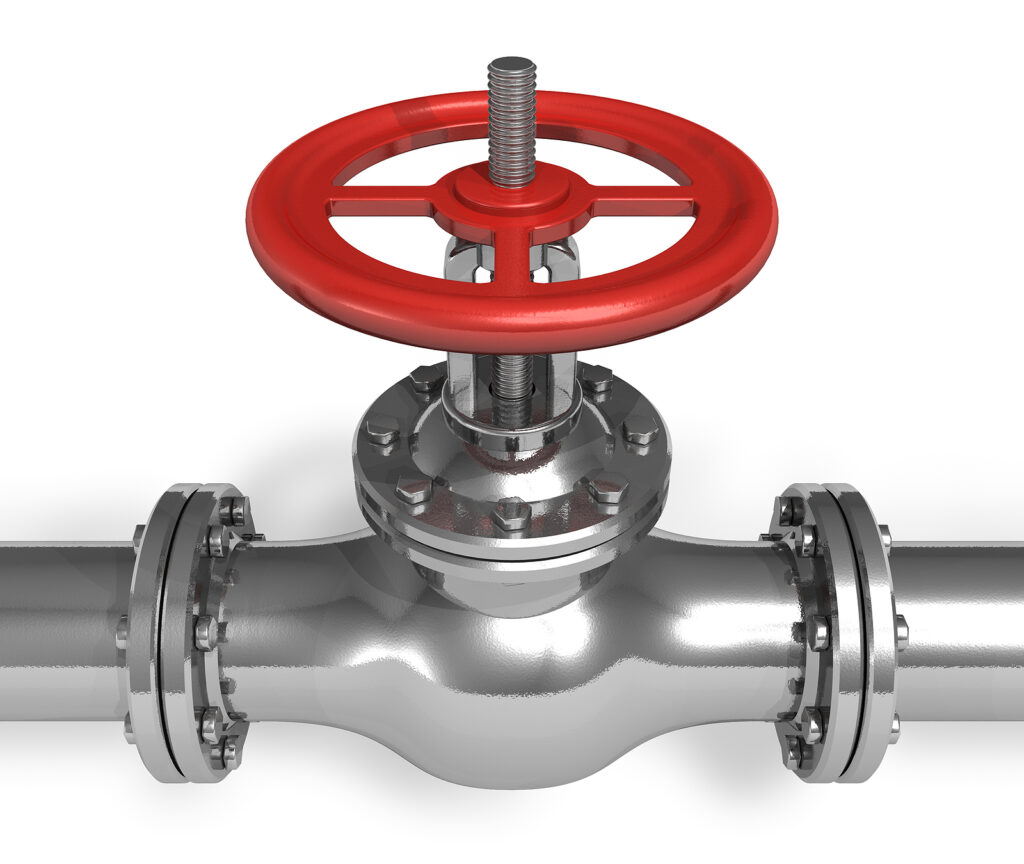
Older plumbing systems face years of pressure changes, mineral buildup, temperature swings, and material fatigue. Pipes may still hold up, but shutoff valves sit at stress points where movement, corrosion, and daily use combine. Understanding why these valves fail helps homeowners avoid surprise leaks and gives clarity on when proactive updates make sense. This guide explains how shutoff valves age, what causes them to weaken, and how to spot trouble before water ends up where it should not be.
What Shutoff Valves Do and Why They Matter So Much
Shutoff valves control water flow to fixtures, appliances, and entire homes. These valves allow quick action during leaks, repairs, or upgrades. A working valve limits damage, reduces repair time, and keeps small issues from turning into major messes. In older homes, original valves often remain untouched for decades. That long service life sounds impressive, but it hides growing risk.
Each time water pressure changes, the valve absorbs stress. Every open and close cycle wears internal parts. Minerals in local water settle inside the valve body. Temperature changes cause metal expansion and contraction. Over time, all these forces add up. Pipes may survive because they stay stationary, but valves involve moving parts. Movement always introduces wear.
A failed shutoff valve causes two big problems. First, it removes control during emergencies. Second, it often fails exactly when someone tries to use it. Many leaks begin right after someone attempts to shut off water for a simple repair. That moment catches homeowners off guard and escalates a manageable job into a full emergency.
Why Older Plumbing Systems Stress Valves More Than Pipes
Pipes in older homes often use thick materials like cast iron, galvanized steel, or early copper. These pipes resist movement and pressure fairly well. Shutoff valves sit at junctions where pipes meet fixtures or appliances. Those junctions experience vibration, torque, and frequent handling.
Older systems also lack modern pressure regulation. Water pressure in many neighborhoods fluctuates throughout the day. Valves feel those changes directly. Without modern pressure reducing valves, shutoff valves take the hit. Over years, seals dry out, threads weaken, and internal washers harden.
Another issue comes from mixed materials. Many older homes feature transitions between copper, galvanized steel, brass, or early plastic. Dissimilar metals create corrosion at connection points. Valves often sit at those transition points, which accelerates wear.
Common Types of Shutoff Valves Found in Older Homes
Understanding valve types helps explain why failures happen so often.
Gate Valves
Gate valves appear frequently in older plumbing. These valves rely on a metal gate that rises and lowers inside the body. Mineral buildup coats the gate and threads. After years of sitting open, the gate sticks. Turning the handle forces movement that the valve no longer tolerates. Leaks or total failure often follow.
Globe Valves
Globe valves regulate flow better than gate valves, but they contain more internal parts. Rubber washers inside globe valves dry out and crack with age. Once disturbed, they struggle to reseal properly.
Early Ball Valves
Some older ball valves lack modern coatings. Internal corrosion roughens the ball surface. That roughness damages seals during operation and leads to dripping after shutoff.
Each of these valves shares one weakness. Long periods without use reduce reliability. Valves prefer occasional operation to keep parts moving smoothly.
Mineral Buildup and Corrosion Inside Valves
Water in West Michigan carries minerals that slowly coat plumbing components. Inside shutoff valves, minerals attach to metal surfaces and restrict movement. Over time, the buildup narrows internal passages and stiffens rotating parts.
Corrosion compounds the problem. Moisture inside valve housings reacts with metals. That reaction weakens threads, eats away seals, and creates rough surfaces. Turning a corroded valve scrapes material loose, which worsens leaks.
Unlike pipes that may show visible corrosion on the outside, valve damage often hides inside. Homeowners assume the valve works because it looks fine. The first turn reveals the truth.
How Lack of Use Speeds Up Valve Failure
Valves that stay open for years suffer more than valves that see periodic use. Rubber seals dry out without movement. Metal parts seize in place. Threads lock together under mineral deposits.
Many homeowners avoid touching shutoff valves out of fear they might leak. That hesitation makes failure more likely. A valve that turns slightly every year stays healthier than one left untouched for decades.
During repairs, plumbers often test valves before starting work. In older homes, testing alone sometimes triggers leaks. That situation explains why plumbers recommend valve replacement before major plumbing projects.
Signs Shutoff Valves Are Reaching the End of Their Life
Shutoff valves often give warnings before total failure. Paying attention to these signs helps homeowners act early.
- Handles feel stiff or refuse to turn smoothly
- Water drips around the stem after operation
- Corrosion appears around valve connections
- Valves fail to fully stop water flow
- Squeaking or grinding sounds occur during turning
Ignoring these signs risks losing water control at the worst time. Proactive replacement offers peace of mind and avoids emergency situations.
Why Valve Failures Often Happen During Repairs
Many valve failures occur during planned repairs, not random moments. Turning a valve breaks mineral bonds that held parts together. Pressure shifts suddenly as water stops. Old seals struggle to adjust.
That sequence explains why a small project, like replacing a faucet, turns into a larger repair. Homeowners expect the valve to cooperate. Instead, it leaks or snaps. The plumbing system itself did not fail. The weakest point gave way under stress.
Modern Shutoff Valves Offer Better Reliability
Newer shutoff valves solve many problems found in older designs. Modern ball valves use smooth, corrosion resistant materials. Improved seals tolerate pressure changes better. Full port designs allow unrestricted flow and reduce internal stress.
Replacing aging valves improves safety and convenience. New valves turn easily, seal tightly, and provide confidence during emergencies. Many homeowners choose valve upgrades during renovations or maintenance visits to avoid future issues.
How Proactive Valve Replacement Prevents Water Damage
Water damage often starts small. A slow leak behind a wall or under a sink causes rot, mold, and structural issues. Failed shutoff valves make stopping that damage harder.
Replacing old valves before failure reduces risk. Plumbers can shut off water cleanly during repairs. Homeowners gain reliable control over their plumbing system. That control saves time, money, and stress.
Valve upgrades also support future improvements. New fixtures, appliances, and water heaters connect more safely to modern valves. Planning ahead protects the entire system.
Why Professional Evaluation Matters for Older Systems
Older plumbing systems vary widely. Valve condition depends on water quality, usage habits, and materials. A professional inspection identifies weak points and prioritizes updates.
Plumbers understand how different valves age. They recognize early failure signs and recommend appropriate replacements. That guidance helps homeowners avoid unnecessary surprises.
In Grand Rapids and surrounding areas, many homes still rely on original plumbing components. Regular inspections keep those systems working safely and predictably.
Frequently Asked Questions
Why do shutoff valves leak after turning them off?
Mineral buildup and worn seals prevent proper resealing after years of inactivity.
Can I fix a leaking shutoff valve without replacing it?
Temporary fixes exist, but replacement offers a long term solution for aging valves.
How often should shutoff valves get replaced?
Replacement timing varies, but valves older than twenty years often need updates.
Do newer valves require maintenance?
Modern valves benefit from occasional operation to keep seals flexible.
Should I replace valves before a plumbing remodel?
Upgrading valves before major work reduces risk and improves project safety.
Need reliable water control in your home? Call Penning Plumbing, Heating, Cooling & Electric at 616-538-0220 for trusted plumbing help in Grand Rapids and Kentwood.
