

Tankless System Produces Hot Water but Water Pressure Drops: Diagnosing the Real Issue
A tankless hot water system gives homes in Grand Rapids and Kentwood an endless supply of hot water, so it surprises many homeowners when the water stays hot but the pressure drops. The shower still feels warm, dishes still rinse with heat, and the sink still pulls hot water, but everything feels weaker than usual. The first reaction is often confusion because it feels like two different problems mixed together. Hot water means the burner or heating element works. Low pressure points toward a restriction somewhere else.
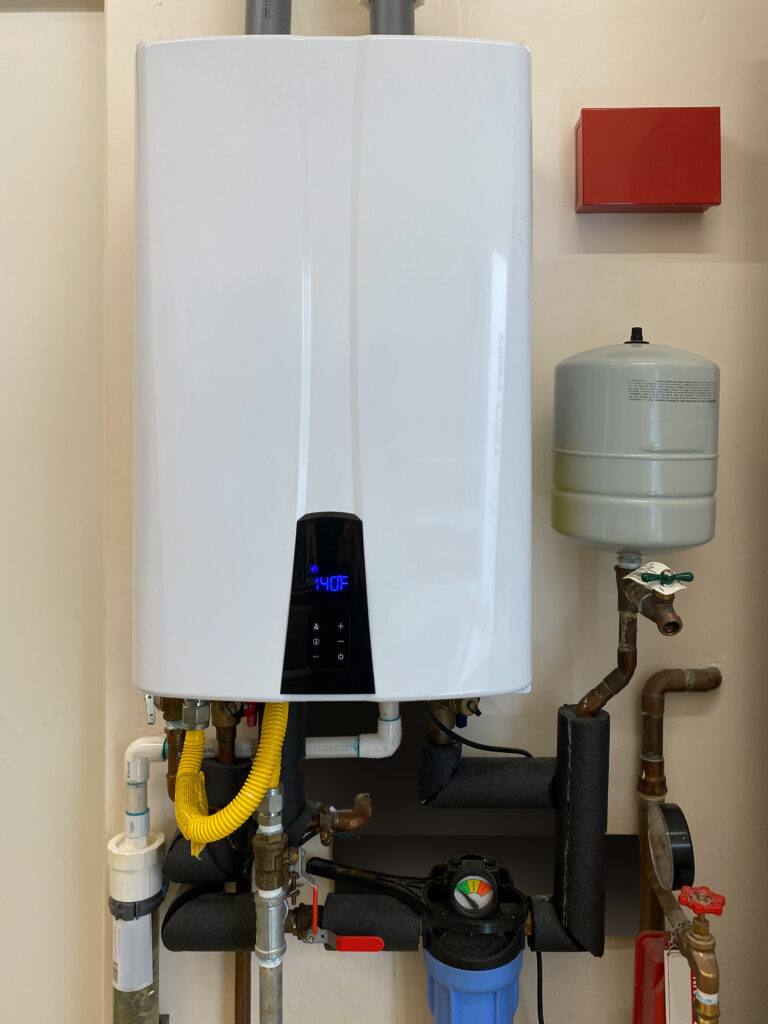
A tankless system needs steady flow to operate correctly. The moment pressure drops below the system’s requirement, the heater still fires, but the water passing through slows down. That slowdown creates a noticeable dip in pressure at faucets, showers, and appliances. This issue also builds gradually, which makes it hard to spot early. Many homeowners don’t realize it’s happening until the pressure dips enough to interrupt daily routines.
Understanding why tankless systems lose pressure even while producing hot water helps you catch the problem early, protect the heater, and avoid major repairs. Several different components inside and outside the unit can create this situation, and each one points to a specific cause. Let’s break down the real reasons behind a pressure drop and how a trained technician approaches the diagnosis.
A Drop in Pressure with Steady Hot Water Signals a Flow Restriction
A tankless heater needs a minimum water flow before it activates the heat exchanger. Once water moves through the system, the burner heats it instantly. But the system relies on consistent pressure. Anything that interrupts flow creates a noticeable drop at the tap.
The tricky part is that most tankless units can still heat water even when pressure falls below ideal levels. So the water stays hot, but the force of that water weakens. This mismatch tells you that the temperature side of the heater remains fine while the flow side faces resistance.
Typical restrictions come from minerals, debris, worn components, damaged plumbing, or pressure issues from the city supply. Every tankless unit has a specific flow requirement, so even small changes create big differences in performance. Once the system notices weak flow, it heats the water at a slower rate, and that creates inconsistent pressure at fixtures across the home.
Mineral Scale Inside the Heat Exchanger Creates Flow Problems
Grand Rapids and Kentwood both have hard water. Hard water means calcium and magnesium levels stay high, and tankless systems feel the impact more than tank-style units. As water moves through the small copper or stainless-steel channels inside the heat exchanger, minerals settle along the inner surfaces. Over time, the scale layer grows thick enough to shrink those channels.
A heat exchanger with scale buildup still heats water because the burner works fine. But the restricted channels force water through narrow passages, and that cuts pressure. If the scale grows thick enough, the system may take longer to reach temperature or cycle more often than normal.
A descaling flush often solves this problem. During that process, a technician pumps a cleaning solution through the heater to dissolve scale and reopen internal passages. Many homeowners don’t realize how much pressure they lost until the unit runs at full flow again.
Clogged Inlet Filters Reduce Pressure Before Water Reaches the Heater
Every tankless water heater includes a small inlet filter screen that catches debris before it enters the heat exchanger. This filter protects the unit from grit, sand, rust flakes, and sediment that come from city water lines, old galvanized pipes, or private wells.
As that debris builds inside the screen, the filter slowly clogs. Once flow reaches a low enough point, the heater still produces hot water, but pressure at taps drops noticeably. Since the clog sits on the inlet side, the entire home feels the impact.
Many homeowners don’t even know this filter exists. Regular maintenance helps keep the system clear and restores full pressure.
Partially Closed Shutoff Valves Restrict Water Movement
Sometimes the reason for the pressure drop sits outside the heater. Every tankless system has several valves, including cold-water shutoff valves, hot-water shutoff valves, and bypass valves for maintenance flushing.
If any of these valves sit partially closed, even a small amount, the water loses pressure before reaching the rest of the home. This situation happens often after home repairs, plumbing updates, or maintenance that involved turning valves on and off.
A quick inspection clears up the issue, but many homeowners overlook valve position when trying to diagnose pressure changes.
Sediment in Hot-Water Lines Affects Only the Hot Side of the Home
Hot-water-only pressure problems often point to sediment inside the plumbing lines. As scale travels through the system, some of it breaks loose and collects in elbows, older piping, and fixture inlets.
Homes with older galvanized pipes feel this impact more than newer systems. Galvanized pipes create internal rust flakes that move downstream and catch inside supply lines. These areas narrow gradually, and the pressure drop becomes noticeable only when several fixtures require hot water at the same time.
Tankless systems highlight this problem because the heater requires steady flow. Once the lines struggle, the pressure at showers and sinks drops quickly.
Failing Pressure-Regulating Valves Cause Drops in Flow
Some homes in Grand Rapids and Kentwood include a pressure-regulating valve near the main water entry. This valve keeps household pressure stable and prevents damage to appliances and fixtures. As PRVs age, the internal spring or diaphragm wears out. The valve gradually reduces pressure even when the city supply stays strong.
A failing PRV affects both hot and cold water. But many homeowners notice the problem more on the hot side because showers and faucets require more flow for comfortable use. Once the regulating valve gets replaced, the pressure returns to normal.
Tankless Units With Undersized Gas or Electrical Supply Lose Performance
Tankless heaters rely on strong gas or electrical supply lines to support full heating output. If the supply line is undersized, damaged, or partially blocked, the burner or heating element can’t fire at full strength.
This situation creates a strange mix of symptoms. The water stays hot enough, but the heater may restrict flow to avoid overheating. Many units include built-in safety controls that adjust flow rate when the heat exchanger struggles to keep up. The result is hot water with noticeably lower pressure.
This issue becomes more common when homeowners upgrade to a larger tankless unit without upgrading the gas line or electrical circuit.
Diagnosing Pressure Drops Requires a Full-System Look
A tankless water heater sits in the center of a larger plumbing system. Pressure problems often start outside the heater and travel inward. A trained technician checks every point that affects flow so nothing gets missed.
A complete diagnosis includes:
- Checking inlet and outlet pressure
- Inspecting all shutoff valves
- Testing flow before and after the heater
- Examining the inlet screen
- Checking for scale inside the heat exchanger
- Testing the home’s PRV
- Inspecting fixtures for blockages
- Reviewing pipe size and layout
Once the tech identifies the cause, the fix becomes clear. In many cases, the heater itself runs correctly, and the restriction sits somewhere else in the plumbing system.
Common Pressure Problems in Grand Rapids and Kentwood Homes
Homes in West Michigan often face repeated pressure issues because of local water conditions and older infrastructure.
Common issues include:
- Heavy mineral buildup from hard water
- Aging galvanized plumbing
- Failing PRVs
- Sediment from city line flushing
- Undersized pipes connected to tankless upgrades
- Inlet filters clogged with fine debris
Each issue creates a specific pattern of symptoms. A trained technician uses those clues to find the exact cause.
FAQs
Why does my tankless heater make hot water but with weak pressure?
The heater produces hot water, but a flow restriction somewhere in the system lowers pressure. Scale, clogged filters, or failing valves are common causes.
Can hard water in West Michigan cause pressure drops?
Yes, mineral scale builds inside the heat exchanger and supply lines. This buildup reduces flow and weakens pressure.
Does a tankless water heater need maintenance to prevent pressure loss?
Yes. Routine flushing and filter cleaning prevent blockages and keep pressure steady.
Will a failing pressure-regulating valve affect only hot water?
A bad PRV affects the entire home, but homeowners notice the problem more with hot water because tankless units require steady flow.
Should I replace my tankless heater if pressure keeps dropping?
Not always. Many pressure issues come from plumbing restrictions, not the heater itself. A full inspection helps you avoid unnecessary replacement.
Restore strong and steady hot water pressure with expert tankless system care. Call Penning Plumbing, Heating, Cooling & Electric at 616-538-0220 for fast help in Grand Rapids and Kentwood.
